New Tax Laws Will Ease Airline Costs, Not Cripple Aviation — Oyedele
- spenohub
- Dec 29, 2025
- 3 min read
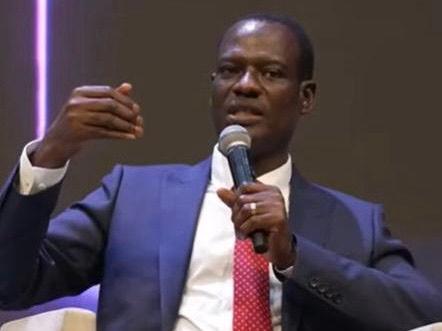
The Chairman of the Presidential Fiscal Policy and Tax Reforms Committee, Taiwo Oyedele, has pushed back against concerns that the newly signed tax laws will worsen conditions for Nigeria’s aviation industry, insisting that the reforms are designed to ease costs for airlines rather than deepen their challenges.
In a statement issued on Monday via his verified X handle on behalf of the Committee, Oyedele acknowledged that airlines are under pressure from multiple taxes, levies and regulatory charges, but said the government has been engaging airline operators extensively and will continue consultations.
According to him, claims that the new tax laws would harm aviation operations are misplaced, stressing that “the reform is part of the solution, not the source of the problem.”
Addressing one of the biggest cost drivers in the sector, Oyedele said the long-standing 10 percent withholding tax on aircraft leases has been removed under the new framework.
He explained that the provision now creates room for either a full exemption or a much lower rate through regulation, describing the change as “a major structural relief for the sector.” He noted that under the old regime, airlines paid millions of dollars in non-recoverable taxes on leased aircraft, a burden that directly inflated operating costs and strained cash flow.
On value added tax, Oyedele said the new laws correct what he described as a hidden cost created by earlier VAT suspensions. While airlines previously could not reclaim input VAT on several items, he said the new system restores full VAT neutrality.
Under the reforms, VAT paid on imported or locally sourced assets and services becomes fully claimable, with the law mandating refunds within 30 days or allowing offsets against other tax liabilities. He said this measure would “directly reduce cost pressure and improve liquidity” for operators.
Oyedele also clarified that import duty exemptions on commercial aircraft, engines and spare parts remain intact, adding that there is “no reversal or new burden introduced under the tax reforms.”
On concerns about air ticket prices, he argued that even with a 7.5 percent VAT on tickets, the net effect would be far lower than feared because airlines can recover input VAT. He said that even in a worst-case scenario, ticket prices would only rise marginally, countering suggestions of steep fare hikes.
The committee chairman further disclosed that the reforms provide a pathway to reduce corporate income tax from 30 percent to 25 percent, a move he said would benefit airlines.
He added that multiple profit-based levies have now been harmonized into a single development levy, reducing complexity and improving certainty for operators.
Responding to complaints about multiple charges imposed on airlines, Oyedele said those levies were not created by the new tax laws and should not be blamed on the reforms. He noted that government is working with relevant agencies and operators to address the issue, adding that tax harmonisation under the new framework means “the situation can only improve, not worsen, from 2026.”
He maintained that the new tax laws provide a solid legal and policy foundation to tackle long-standing tax challenges in the aviation sector, lower operating costs and limit the impact on passengers. Oyedele warned that “claims not grounded in fact do not help this process,” insisting that the reforms are “not the problem, they are a critical part of the solution.”


Comments