Obi to FG: Explain ₦8trn NNPC Write-Off as Nigerians Face Hardship

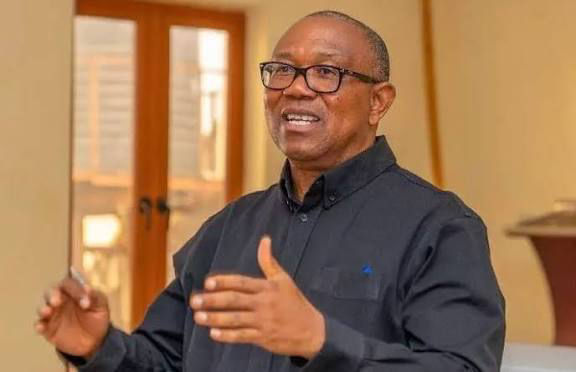
Former presidential candidate Peter Obi has criticised what he described as growing fiscal indiscipline in Nigeria, raising concerns over the Federal Government’s reported approval of a large-scale debt write-off involving the Nigerian National Petroleum Company Limited (NNPC Ltd).
In a statement posted on his official X handle on Wednesday, Obi said the decision signalled an “era of financial recklessness,” warning that such actions undermine transparency and public accountability.
According to Obi, reports indicate that the President approved the cancellation of ₦5.57 trillion and $1.42 billion—estimated at about ₦8 trillion— in debts owed by NNPC Ltd, despite the company recently declaring profits and claiming operational reforms.
“This is the same agency currently facing serious audit inquiries for failing to account for ₦210 trillion,” Obi said, noting that the amount under scrutiny exceeds Nigeria’s combined federal budgets between 2023 and 2026, which he estimated at approximately ₦178.56 trillion.
He recalled that Nigerians are still awaiting the outcome of investigations by the National Assembly into the alleged unaccounted funds, as well as inquiries into trillions reportedly spent on non-functional refineries.
Despite these unresolved issues, Obi questioned the justification for approving the debt write-off, particularly at a time when citizens are grappling with the effects of fuel and electricity subsidy removals.
“Nigerians, already enduring severe hardships due to the removal of petroleum and electricity subsidies—with no tangible improvements in their lives—are now confronted with this unexplained debt forgiveness,” he stated.
Obi argued that the nearly ₦8 trillion write-off effectively offsets revenue the government is now seeking through increased taxation, describing the situation as unfair to ordinary Nigerians.
“It is imperative that the government provides a clear and transparent justification for the write-off, given the immense impact such a large amount of resources could have on national development,” he said.
He further highlighted that the amount exceeds the ₦7.1 trillion combined allocation for education, health, and agriculture in the 2025 federal budget, and is nearly double the ₦4.9 trillion earmarked for national security, despite persistent insecurity across the country.
Obi maintained that such resources could significantly reduce poverty and unemployment if redirected toward productive sectors.
“The President, who is also the Minister, owes the Nigerian people clear answers,” he said, adding that citizens deserve “honesty, fiscal discipline, and governance that protects their interests—not the interests of mismanaged corporations or political elites.”

Comments