Obi Raises Concern Over Nigeria’s Economic Decline as India Overtakes Japan

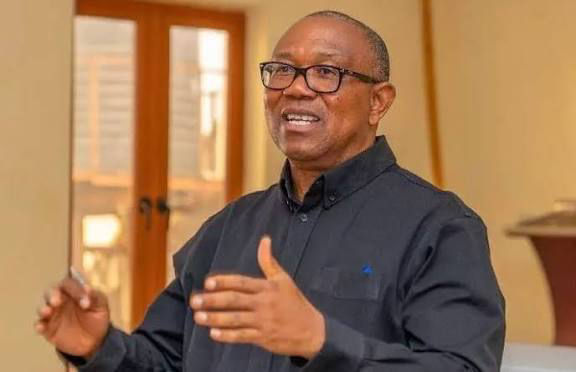
Former presidential candidate Peter Obi has expressed concern over Nigeria’s economic direction following the announcement that India has become the world’s fourth-largest economy, surpassing Japan in nominal GDP.
In a post shared on Monday via his X handle, Obi cited International Monetary Fund (IMF) estimates projecting India’s 2025 nominal GDP at $4.187 trillion, slightly above Japan’s $4.186 trillion, and noted that India is now positioning itself to overtake Germany as the third-largest economy globally.
While acknowledging India’s progress, Obi said the development highlights questions about Nigeria’s economic management, arguing that both countries once followed comparable growth paths.
He referenced World Bank data showing that in 2007, India’s nominal GDP per capita stood at about $1,022, compared to Nigeria’s $1,816. By 2015, India’s figure had risen to approximately $1,584, while Nigeria’s increased to about $2,586.
Obi said recent projections indicate a reversal of fortunes. According to IMF World Economic Outlook estimates cited in his post, India’s nominal GDP per capita is expected to reach about $2,878 by 2025, while Nigeria’s is projected to decline to around $807.
He attributed the trend to what he described as weak outcomes despite significant fiscal measures, including subsidy savings, increased revenue, and extensive borrowing.
Obi said Nigeria recorded about ₦200 trillion in combined revenue between 2023 and 2025 but has yet to see commensurate improvements in key social sectors.
“Despite these resources, issues like poverty, insecurity, healthcare, and education have worsened,” Obi wrote, adding that small and medium-scale businesses are shutting down amid high operating costs, unreliable power supply, and rising prices of basic goods and services.
Calling for a shift in national priorities, Obi urged leaders to focus on governance anchored on competence, compassion, and accountability.
“This leadership must prioritize the welfare of Nigerians and invest in essential areas such as healthcare, education, infrastructure, agriculture, and technology,” he said.
He also stressed the need to reduce the cost of governance, improve transparency, and strengthen public accountability, arguing that effective leadership and collective action are required for Nigeria to convert its resources into broad-based economic growth.
“Only through united collective action, transparency, and visionary leadership can Nigeria close the gap with nations like India and ensure that its wealth translates into prosperity, security, and opportunity for all citizens,” Obi stated.

Comments